
For returning players
Play the piano again
Most adults who return to the piano still have the notes in their fingers. What they need is a structure for the time they can give it, and a way to see that the time is going somewhere.
7 days free. No card required.
The gap
The first weeks are easy to enjoy and hard to direct
There is no teacher setting the week's work. Pieces you once played are out of reach, and practice becomes a survey of what has been lost. A piece begun with enthusiasm turns into a reminder of the gap.
Structure fixes this more reliably than motivation does. A plan that names today's bars and today's tempo turns an open evening into a session with an end.
A week
Fifteen minutes, three or four times
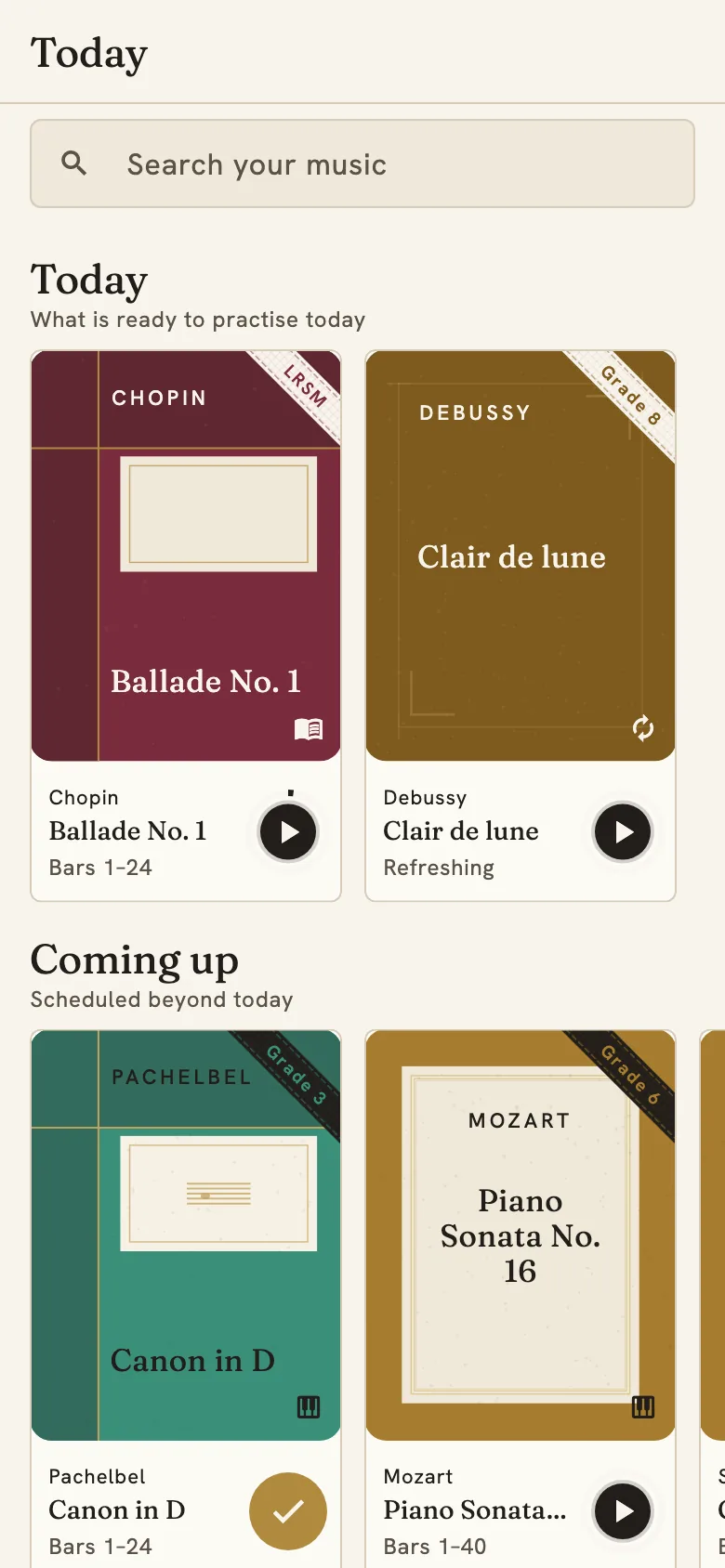
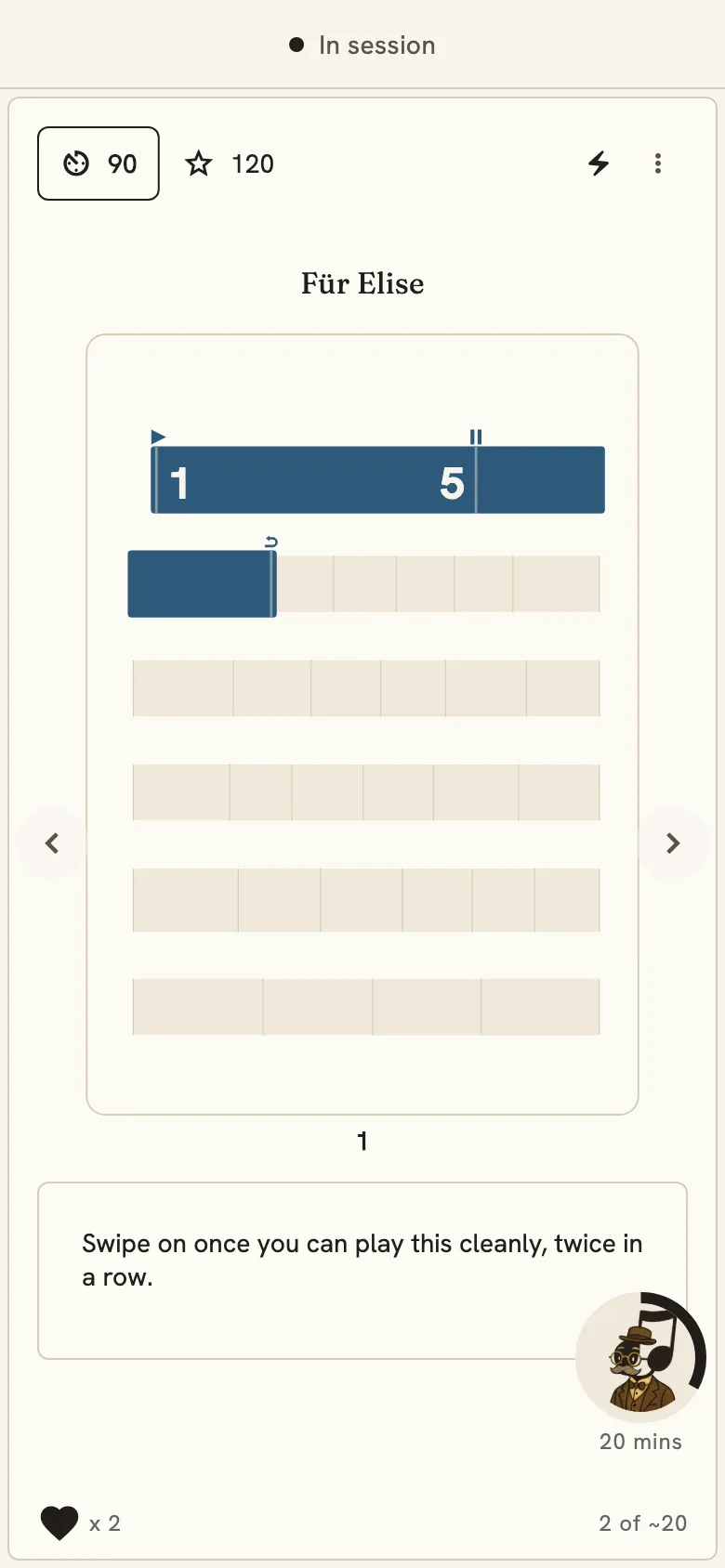
Each session opens on Today, which says what is due. One step takes a phrase or two, with its own tempo and its own thing to listen for. The metronome keeps time with a count-in.
When the step is clean, it is done. The record shows the piece filling in, bar by bar, even in a week when the practice was short.
Start here
Something you can finish
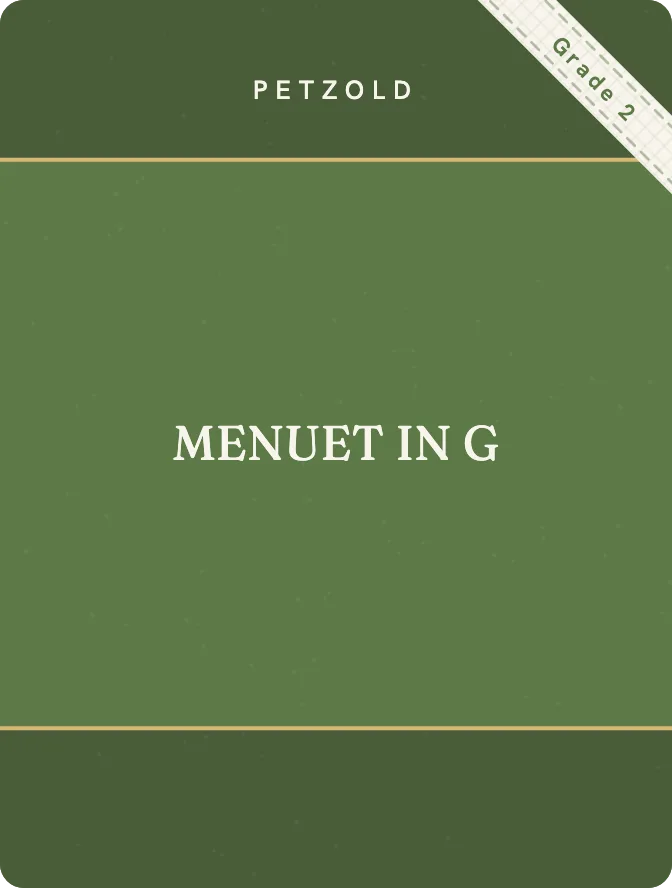
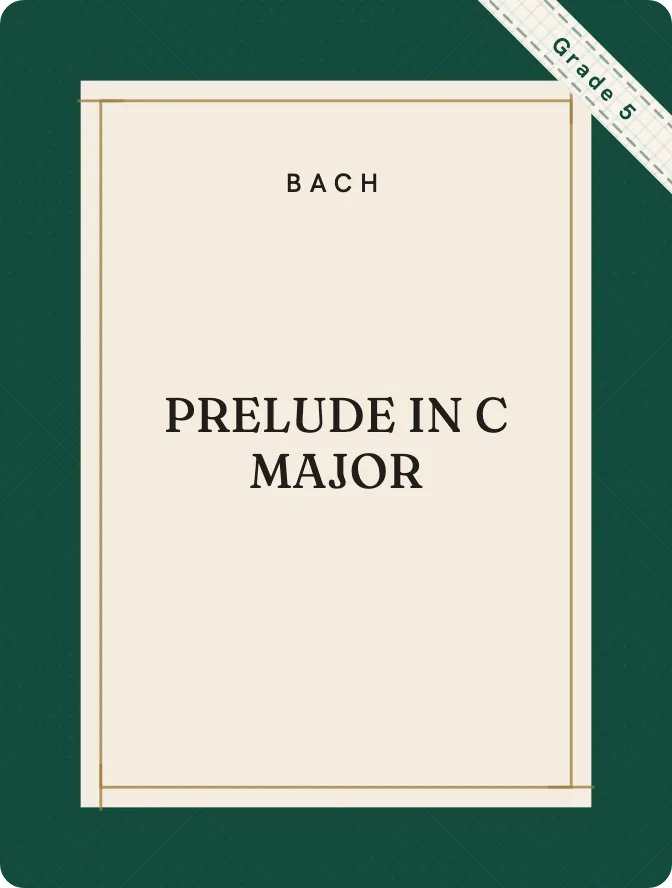
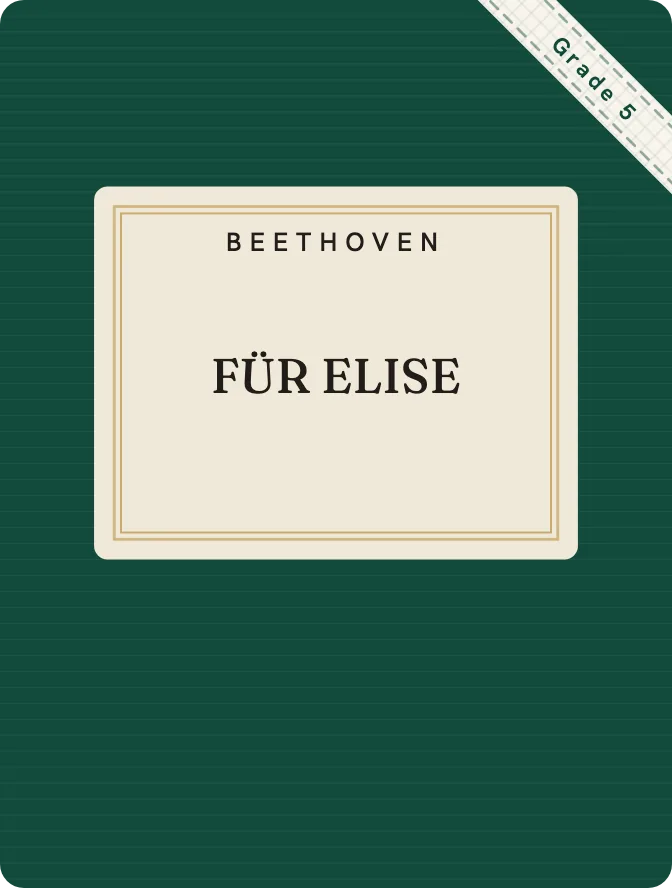
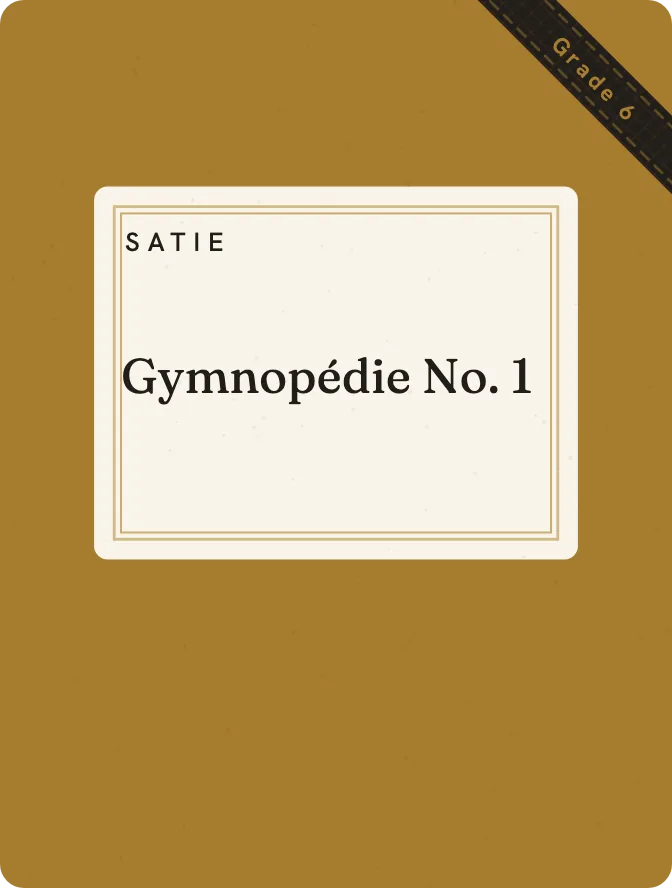
These pieces return well after a long break. Each one is graded, and the library has more.
Questions
Coming back after years away
I can barely read music any more.
Fluent reading is not required. Steps are small, a phrase or two at a time, so you build back up gradually rather than facing the whole score at once. The bars and sections are found for you, each step says what to do with them, and reading returns as a side effect of working from the page.
How much time does it need?
Fifteen minutes is a real session. Three or four sessions a week will move a piece, and more will move it faster. The plan adapts to the time it is given.
Should I have a teacher as well?
If you can, yes. The record makes lessons more efficient because the week is visible. Plenty of players use Quaverley between lessons, and some use it on their own.
My hands do not do what they used to.
Slow work is the method. Learning steps are played under tempo by design, and the tempo rises only when the notes are secure.
Which piece should I start with?
The Menuet in G and the Bach Prelude in C suit a first return, and Für Elise and the Gymnopédie follow. Each piece has a grade and a playing time in the library.
What if I miss a week?
Nothing is lost. The plan waits, and Today shows what is due when you return. A missed day ends the current streak, but the work stays in the record.

Start with the piece you have always wanted to play
7 days free. No card required.